


We accept returns within 14 days of purchase for unused and unopened items in their original packaging.
International orders (outside the United States), custom, personalized, cut fabric, and clearance items are final sale.
For online orders, please contact us before sending any return at cs@pisgahneedleworks.com. Customers are responsible for return shipping unless the item arrived damaged or in error. Refunds are issued to the original form of payment once the return is received and inspected.
If your order arrives damaged or incorrect, notify us within 7 days and we’ll make it right.
Gift certificates and digital downloads are non-refundable.

Expertly Curated
Artisan Quality
Our pre-assembled kits are created by boutique creators from around the world. Bring artistic flair to your home with one of our top quality kits.

Create your own masterpiece with our hand-curated kits imported from England.
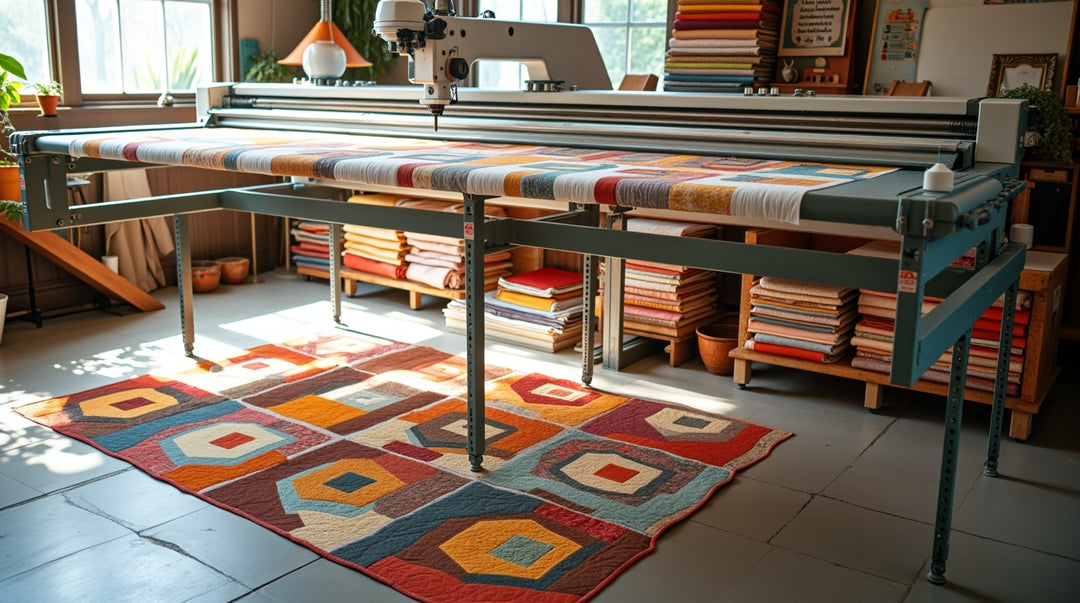
Turn your quilt top into a finished masterpiece with our professional long arm quilting services. We offer even, beautiful stitching in a variety of patterns and thread colors, giving your quilt a polished look that lasts. Every quilt is handled with care and attention to detail, so you can be proud of the final result.

